
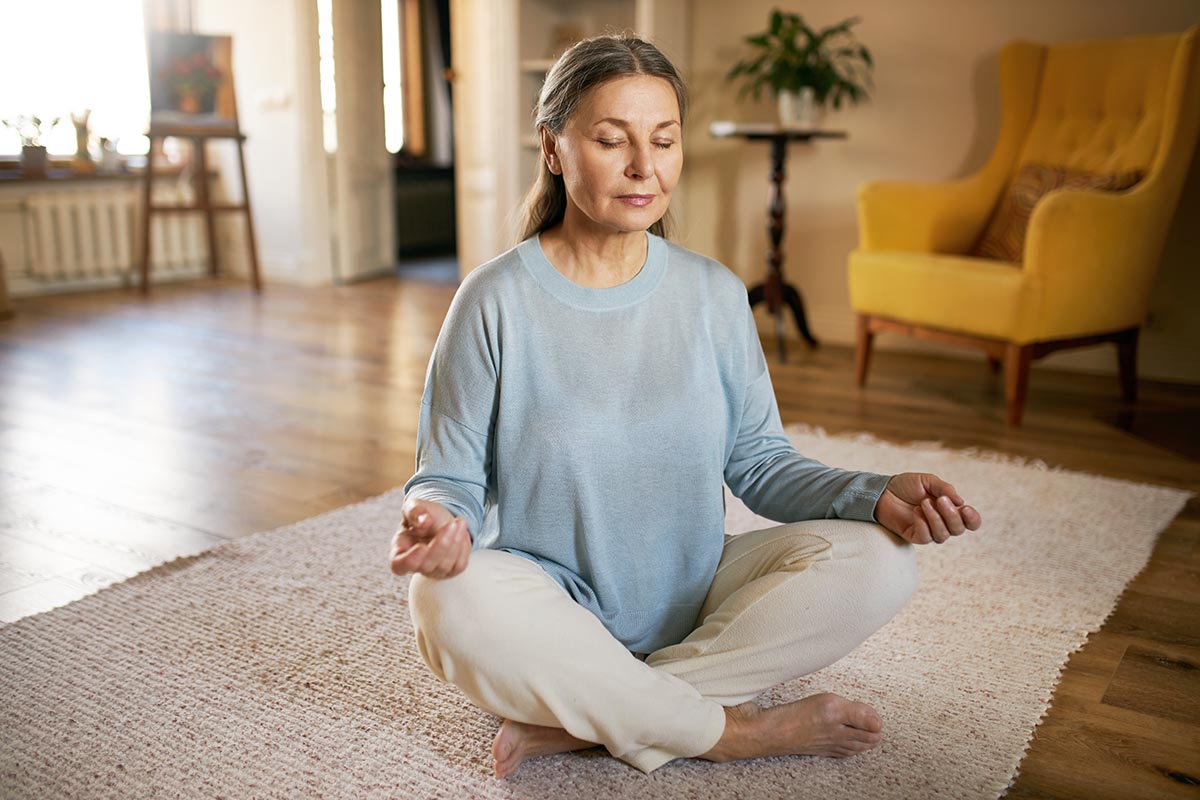
Menopause marks a significant transition in a woman's life, characterized by hormonal fluctuations that can lead to a range of physical and emotional symptoms. These include anxiety, insomnia, hot flashes and shortness of breath, mood disturbances, and more. As conventional treatments like hormone replacement therapy (HRT) may not be suitable or desirable for everyone, holistic practices are gaining momentum. One such practice is breathwork for menopause.
But does breathwork help menopause symptoms in a clinically meaningful way? Emerging research and physiological insights suggest it can. This article explores the scientific mechanisms, benefits, and techniques of breathwork that may support women navigating menopause.
What Is Breathwork and How Does It Work?
Breathwork refers to intentional breathing practices aimed at regulating the autonomic nervous system. These can range from simple diaphragmatic breathing to structured pranayama techniques rooted in yogic traditions. Scientific research has shown that breathing techniques can modulate the parasympathetic nervous system, reduce cortisol levels, and even improve vagal tone, all of which are relevant to how menopause affects the body1.
Breath control stimulates the vagus nerve, central to regulating heart rate, digestion, and mood, which helps reduce the sympathetic fight-or-flight response. This is particularly helpful during menopause, when women often report heightened stress, anxiety, and cardiovascular symptoms like palpitations or shortness of breath.
Breathwork for Anxiety and Emotional Stability in Menopause
Anxiety is one of the most reported symptoms during the menopausal transition, often linked to declining estrogen levels that affect neurotransmitters such as serotonin and GABA. Does breathwork help menopause-related anxiety? Clinical studies suggest it does.
One randomized controlled trial found that six weeks of slow breathing exercises significantly reduced anxiety and improved emotional regulation among peri- and postmenopausal women2. Techniques such as Nadi Shodhana (alternate nostril breathing) and diaphragmatic breathing help anchor the mind and body, stabilizing the autonomic nervous system.
Breathwork also complements other menopause relaxation techniques, offering a portable, drug-free intervention with virtually no side effects.
Can Breathwork Help Improve Sleep?
Insomnia and disrupted sleep patterns are common complaints during menopause, driven by hormonal changes and increased nighttime cortisol levels. Breathing exercises for better sleep focus on lengthening the exhalation, which activates the parasympathetic response and induces relaxation.
Research indicates that slow-paced breathing, particularly at a frequency of 5-6 breaths per minute, improves sleep quality, decreases sleep latency, and enhances heart rate variability (HRV)3. These benefits are especially valuable for menopausal women dealing with nighttime awakenings due to hot flashes and shortness of breath.
Daily practice of pranayama such as Bhramari (humming bee breath) or Chandra Bhedana (left nostril breathing) can be effective tools in a menopause relaxation technique toolkit.
Breathwork and Vasomotor Symptoms: Hot Flashes and More
Hot flashes are perhaps the most well-known symptom of menopause. They result from dysregulation in the hypothalamus, the brain's temperature control center, and are closely tied to stress and hormonal shifts. Because breathwork can influence hypothalamic-pituitary-adrenal (HPA) axis function, it offers a unique mechanism for reducing hot flash severity.
Cooling breath techniques such as Sitali and Sitkari breathing have shown anecdotal and clinical promise in reducing the frequency and severity of hot flashes. By increasing vagal tone and reducing sympathetic arousal, these practices help stabilize thermoregulatory function.
Additionally, breathwork may mitigate the experience of hot flashes and shortness of breath, which many women find particularly distressing.
Hormonal Regulation: Can Breathwork Balance Hormones?
One of the most common questions is: Does breathwork balance hormones?
While breathwork does not directly alter hormone levels like estrogen or progesterone, it has indirect regulatory effects. By decreasing chronic stress and lowering cortisol, breathwork may allow the endocrine system to function more efficiently. High cortisol is known to exacerbate menopausal symptoms and disrupt the delicate hormonal milieu.
Preliminary studies have linked breath-centred practices to improved endocrine function and decreased inflammation, factors that influence how well the body copes with menopausal transitions4. So while breathwork for menopause is not a substitute for hormone therapy, it can be a supportive therapy that targets upstream regulators like the nervous system and stress hormones.
Pranayama and Menopause: Traditional Tools With Modern Relevance
Pranayama for menopause is an ancient practice validated by modern science. Yogic breathwork techniques not only promote physical well-being but also emotional resilience. Practices such as:
- Anulom Vilom (alternate nostril breathing)
- Bhramari (humming breath)
- Ujjayi (victorious breath)
…have been shown to enhance parasympathetic activity, improve oxygen uptake, and balance the mind-body interface- key factors in how menopause affects brain and body5. Women experiencing menopause and shortness of breath often find pranayama particularly grounding, offering relief that is both immediate and cumulative.
Incorporating Breathwork Into a Menopausal Wellness Plan
Adding breathwork into a daily wellness routine can yield long-term benefits. Here are some clinical tips:
- Start with 5-10 minutes of diaphragmatic breathing each morning.
- Use cooling breaths during hot flashes and shortness of breath episodes.
- Incorporate breathing exercises for better sleep, such as 4-7-8 breathing before bed.
- Attend sessions from a certified practitioner with breathwork certification for optimal guidance.
Breathwork is safe for most individuals, but those with severe respiratory or cardiovascular conditions should consult a healthcare provider before beginning a new regimen.
Conclusion: Does Breathwork Help Menopause?
So, does breathwork help menopause symptoms? The answer appears to be a strong yes, particularly when addressing anxiety, sleep disturbances, hot flashes and shortness of breath. While not a cure-all, breathwork for menopause offers a scientifically backed, low-risk strategy to help women regain control over their emotional and physiological state.
When used alongside other menopause relaxation techniques, healthy lifestyle changes, and, if needed, medical treatments, breathwork can be a transformative part of the menopausal journey.
References
- Russo, M. A., Santarelli, D. M., & O'Rourke, D. (2017). The physiological effects of slow breathing in the healthy human. Breathe, 13(4), 298-309. https://doi.org/10.1183/20734735.009817
- Jindal, V., Kaur, S., & Suri, A. (2013). Effect of pranayama on stress and cardiovascular autonomic function. Indian J Physiol Pharmacol, 57(4), 453-459.
- Tsai, H. J., Kuo, T. B. J., Lee, G. S., & Yang, C. C. H. (2015). Efficacy of paced breathing for insomnia: a randomized controlled trial. Journal of Clinical Sleep Medicine, 11(5), 543-550.
- Streeter, C. C., Gerbarg, P. L., Saper, R. B., Ciraulo, D. A., & Brown, R. P. (2012). Effects of yoga on the autonomic nervous system, gamma-aminobutyric-acid, and allostasis in epilepsy, depression, and post-traumatic stress disorder. Medical Hypotheses, 78(5), 571-579.
- Telles, S., Singh, N., & Balkrishna, A. (2012). Managing mental health disorders resulting from trauma through yoga: A review. Depression Research and Treatment, 2012.