
Breathing is an automatic function, yet the way we breathe significantly impacts our physical and mental health. Slow breathing, defined as a controlled and deliberate reduction in respiratory rate, is gaining scientific attention for its profound physiological and psychological benefits. This article delves into the mechanisms, benefits, and techniques of slow breathing, providing insights supported by scientific research.
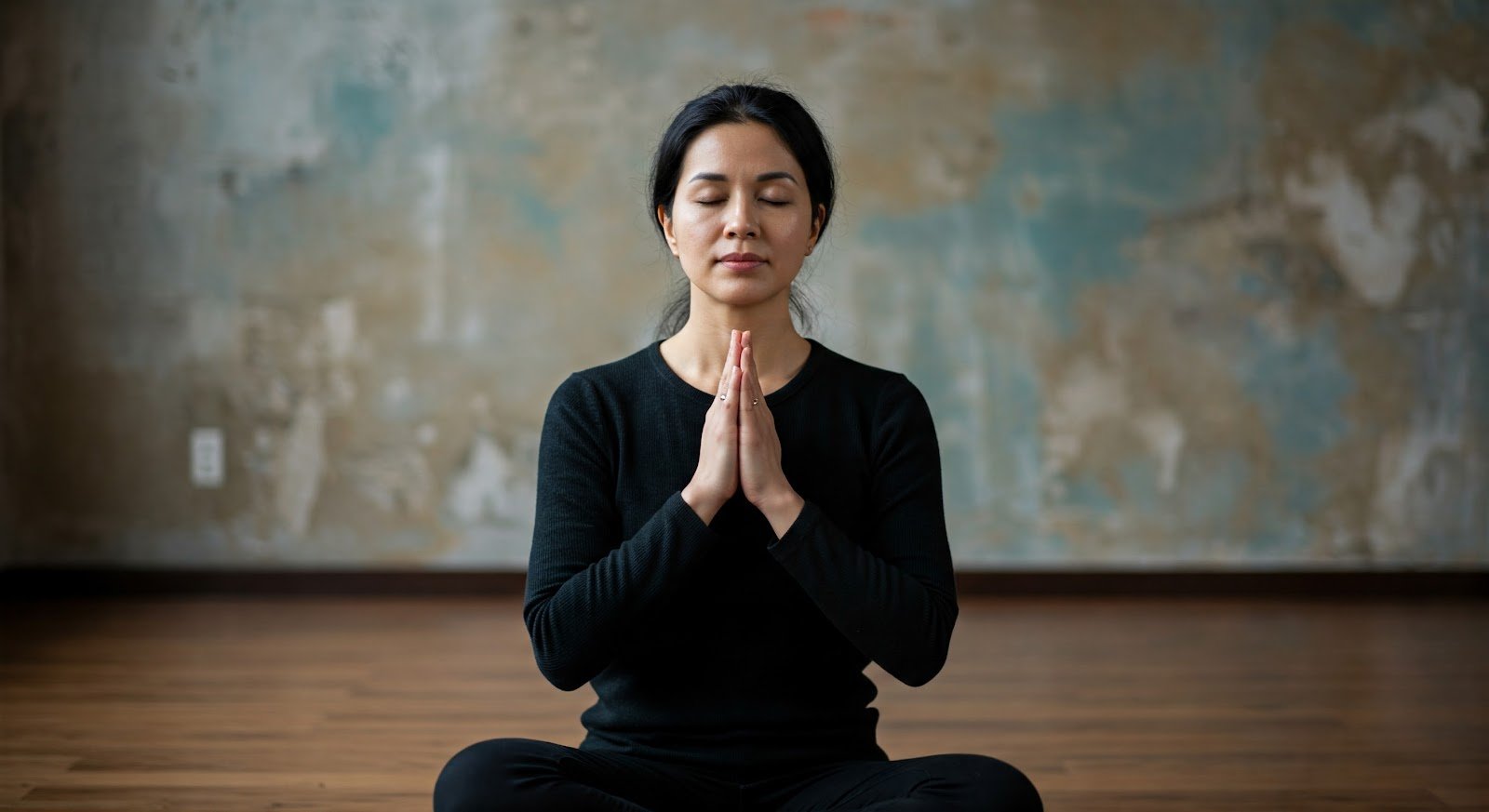
The Science Behind Slow Breathing
Slow breathing typically refers to breathing at a rate between 4 to 10 breaths per minute, with the optimal range often cited at 6 breaths per minute. The scientific rationale behind slow breathing lies in its ability to optimize autonomic nervous system function, balance heart rate variability (HRV), and improve oxygen efficiency1.
Research indicates that slow breathing increases vagal tone, which enhances parasympathetic nervous system activity, promoting relaxation and reducing stress responses2. Additionally, it affects the baroreflex, a key mechanism in blood pressure regulation, thereby contributing to cardiovascular stability.
Physiological Benefits of Slow Breathing
1. Cardiovascular Health and Heart Rate Regulation
One of the most significant slow-breathing benefits is its effect on heart rate and blood pressure. Studies have shown that controlled breathing at a rate of around 6 breaths per minute can optimize HRV and improve blood pressure regulation3.
Does slow breathing lower heart rate? Yes. Slow breathing stimulates baroreceptors, which help modulate blood pressure and heart rate. This can result in higher heart rate variability and lower blood pressure, offering protective cardiovascular effects.
2. Respiratory Efficiency and Oxygen Utilization
Slow deep breathing improves lung function by increasing tidal volume (the amount of air taken in per breath) and enhancing oxygen exchange efficiency. The deeper inhalations ensure maximal oxygenation of blood, while slower exhalations enhance carbon dioxide tolerance, which is crucial for maintaining the blood's pH balance.
3. Stress and Anxiety Reduction
Slow breathing techniques are effective in lowering cortisol levels and promoting relaxation. Studies show that controlled breathing activates the vagus nerve, which reduces the stress response by shifting the autonomic balance toward parasympathetic dominance4. This makes slow breathing particularly useful for individuals suffering from anxiety disorders and chronic stress.
Psychological and Cognitive Benefits of Slow Breathing
1. Improved Mental Clarity and Focus
Research supports the notion that slow breathing enhances cognitive function by improving oxygen delivery to the brain and reducing mental fatigue. The improved blood flow to the prefrontal cortex is linked to better decision-making and emotional regulation5.
2. Enhanced Emotional Resilience
Practicing slow breathing regularly can help individuals better manage emotional reactions. By controlling breathing, individuals can regulate their physiological responses to stress, leading to improved emotional stability and resilience.
The Role of Slow Breathing in Modern Breathwork Techniques
The resurgence of breathwork practices in modern wellness stems from their scientifically-backed benefits. Modern breathwork techniques, such as diaphragmatic breathing, resonance breathing, and alternate nostril breathing, leverage slow breathing to optimize physical and mental health.
- Resonance Breathing: A technique that involves breathing at 6 breaths per minute to synchronize respiratory and cardiovascular rhythms for maximal HRV improvement.
- Diaphragmatic Breathing: Engages the diaphragm fully, encouraging deep inhalations and slow exhalations, which enhances relaxation and lung capacity.
Alternate Nostril Breathing: A yogic technique that improves autonomic balance and cognitive clarity through slow, controlled breathing cycles.
6 Breaths per Minute Benefits vs. 3 Breaths per Minute Benefits
Scientific studies highlight different advantages at specific breathing rates.
1.6 Breaths Per Minute
- Breathing at six breaths per minute is considered optimal for balancing the autonomic nervous system. This controlled rhythm enhances heart rate variability (HRV), promoting cardiovascular health by stabilizing blood pressure and improving heart rate coherence. Studies show it maximizes oxygen efficiency while reducing stress and anxiety, making it highly beneficial for mental clarity, relaxation, and overall physiological resilience1.
- 6 Breaths per Minute Benefits: Considered the optimal breathing rate for cardiovascular and autonomic benefits, it maximizes HRV, improves heart rate coherence, and stabilizes blood pressure.
2.3 Breaths Per Minute
- At three breaths per minute, breathing slows dramatically, leading to profound relaxation and deep physiological restoration. This ultra-slow rate enhances oxygen efficiency, allowing for greater carbon dioxide tolerance and improved cellular metabolism. Commonly used in meditative and therapeutic practices, it induces a parasympathetic state, reducing stress, promoting emotional balance, and fostering deep mental and physical rejuvenation.
3 Breaths per Minute Benefits: At this ultra-slow rate, practitioners experience profound states of relaxation and heightened oxygen efficiency, often used in deep meditation and therapeutic interventions. However, this ultra-slow rate may be beneficial for experienced practitioners but should be approached with caution, as it may not be suitable for individuals with respiratory issues or cardiovascular instability.
How to Practice Slow Breathing Techniques
To reap the full benefits of slow breathing, consider incorporating the following evidence-based techniques into your routine.
1.Box Breathing
- Inhale for 4 seconds, hold for 4 seconds, exhale for 4 seconds, and hold for 4 seconds. Repeat for 5 minutes to reduce stress.
2.4-7-8 Breathing
- Inhale for 4 seconds, hold for 7 seconds and exhale for 8 seconds. This technique is particularly effective for anxiety reduction and sleep improvement.
3.Coherent Breathing
- Maintain a steady rate of 5 to 6 breaths per minute to optimize heart rate variability and promote calmness.
By understanding and implementing these slow breathing techniques, individuals can experience profound improvements in their health and well-being.
Conclusion: Is Slow Breathing Good for You?
The overwhelming scientific evidence confirms that slow breathing is an effective tool for improving cardiovascular health, respiratory function, stress management, and cognitive performance. By incorporating slow breathing techniques into daily life, individuals can harness the power of breath to enhance overall well-being.
In conclusion, slow breathing techniques offer remarkable benefits for mental, physical, and emotional well-being. One powerful approach is SOMA Breath, a holistic breathwork system designed to transform health and consciousness. Combining ancient pranayama techniques with modern science, SOMA Breath enhances oxygen efficiency, boosts immunity, and promotes deep relaxation. To deepen your practice or become a certified instructor, you can also explore the SOMA Breathwork Teacher Training program.
References
- Russo, M. A., Santarelli, D. M., & O'Rourke, D. (2017). The physiological effects of slow breathing in the healthy human. Frontiers in Physiology, 8, 450. PMC5709795.
- Brown, R. P., & Gerbarg, P. L. (2005). Sudarshan Kriya yogic breathing in the treatment of stress, anxiety, and depression. Journal of Alternative and Complementary Medicine, 11(2), 189-201.
- Zaccaro, A., Piarulli, A., Laurino, M., Garbella, E., Menicucci, D., Neri, B., & Gemignani, A. (2018). How breath-control can change your life: A systematic review on psychophysiological correlates of slow breathing. Frontiers in Human Neuroscience, 12, 353.
- Pal, G. K., Velkumary, S., & Madanmohan. (2004). Effect of short-term practice of breathing exercises on autonomic functions in normal human volunteers. Indian Journal of Medical Research, 120(2), 115-121.
- Litchfield, P. M. (2003). The respiratory psychophysiology of stress, affective states, and cognition: A review. International Journal of Psychophysiology, 48(1), 95-128.