
Over 260 million people worldwide are dealing with the respiratory condition called asthma. While people may need to turn to medications to manage their asthma, many overlook a natural remedy that is right at their fingertips. Breathing exercises help patients struggling with asthma to breathe easier and more comfortably.
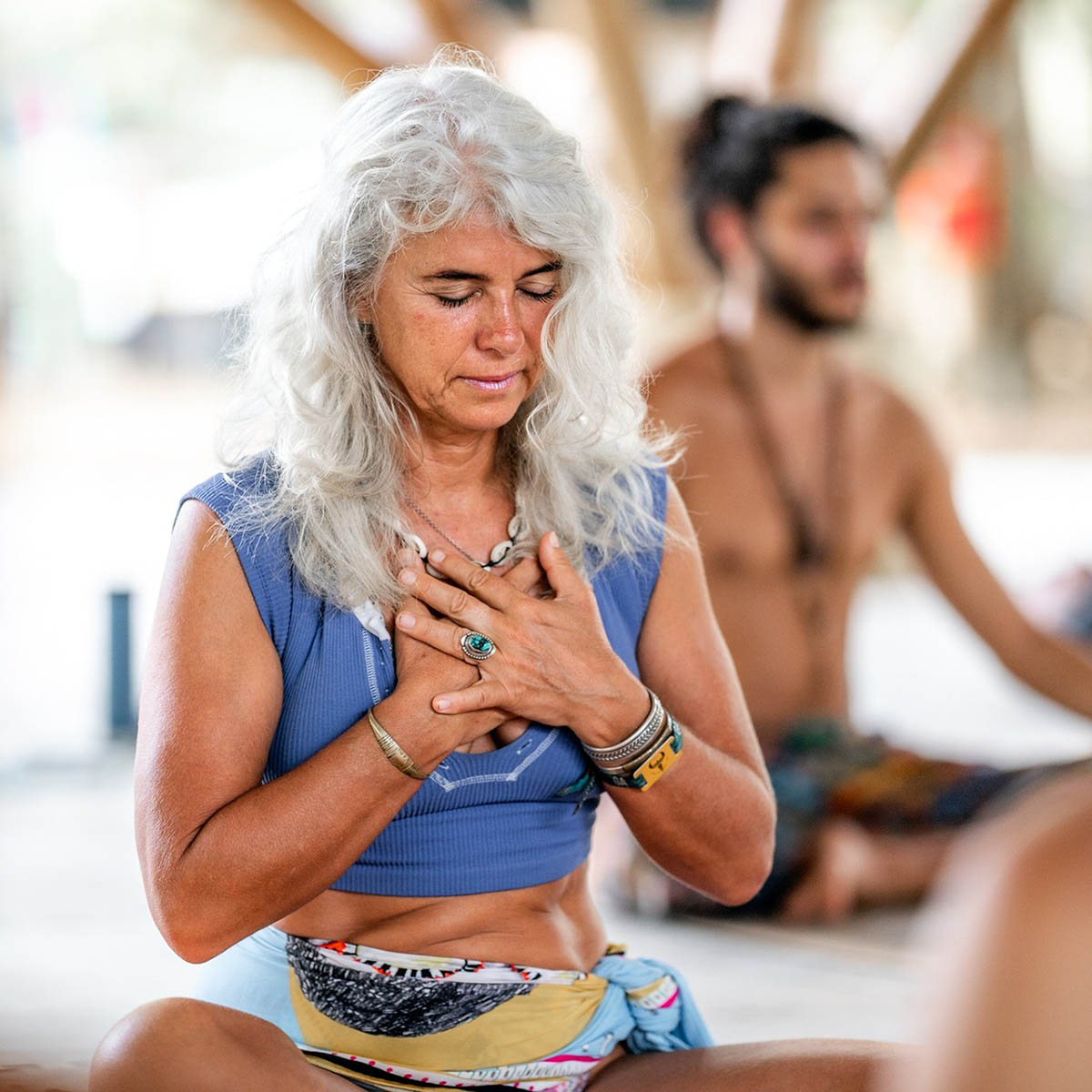
Breathwork exercises that benefit Asthma symptom sufferers include:
- Diaphragmatic/Abdominal Breathing
- Pursed Lip Breathing
- Nasal Breathing
- Rechaka
- Kumbhaka
- Bhastrika
- Buteyko Method
Incorporating these breathing techniques into your daily routine can help improve asthma symptoms and improve health and overall well-being.
Breathing Exercises for Asthma Relief
Breathing exercises for asthma range from simple to advanced techniques. It's important to remember that everyone has a different experience with asthma and some techniques will feel more natural than others.
The Basics
Before you can move onto more advanced breathwork techniques, it's vital that you master the basics. For people suffering from asthma, breathwork can:
- reduce stress and anxiety
- flood the body's system with fresh oxygen
- Improve lung health and breath control
Diaphragmatic Breathing
Diaphragmatic breathing is the foundation for effective breathwork, helping you fully expand your lungs on each inhale and completely release your breath on the exhale. To ensure you are performing this correctly, try placing a hand on your abdomen to feel your stomach rise as you inhale and fall as you exhale. This simple practice promotes relaxation, better oxygen flow, and mindfulness.
- Sit or lie down in a comfortable position.
- Place one hand on your abdomen and the other on your chest.
- Inhale deeply through your nose, letting your stomach rise.
- Exhale slowly through your mouth, feeling your stomach fall.
- Repeat for 5-10 minutes, focusing on slow, steady breaths.
Rechaka & Pursed Lip Breathing
Rechaka, meaning “slow exhalati02200on” in Sanskrit, is a powerful breathing technique from Pranayama. Sometimes called Pursed Lip Breathing, it helps calm the mind, center your energy, and promote relaxed, steady breathing, making it ideal for anyone looking for relief from the constrictive symptoms of asthma.
- Inhale deeply through your nose.
- Exhale slowly, aiming for 8 seconds or longer.
- Purse your lips as if breathing through a straw for added control.
- Repeat as needed to feel calm and centered.
Kumbhaka- Breath Retention
Kumbhaka, a Sanskrit term from Pranayama that means “breath retention,” refers to the practice of holding your breath after inhaling or exhaling. This advanced technique can offer different benefits depending on the timing of the hold. Use this breathing technique to add some depth to your breathwork practice.
- Inhale slowly and fully.
- Hold your breath until slight discomfort arises, then inhale slightly and hold again.
- Exhale slowly and with control when ready.
- To practice on the exhale, hold your breath after exhaling, release a bit more air as needed, then inhale slowly when ready.
Bhastrika- Bellows Breath
Bhastrika is a Pranayama breathwork technique that uses rapid, strong breaths in through the nose and out through the mouth. This advanced practice creates quick, rhythmic exchanges of air, encouraging a state of intermittent hypoxia in the body.
- Sit upright with good posture.
- Inhale and exhale rapidly and forcefully, creating short, quick breaths.
- Start with 10-20 repetitions, then return to normal breathing.
- Gradually increase repetitions as you build experience.
SOMA Breathwork Technique for Asthma Relief
While all these techniques offer a great foundation to begin drastically improving living with asthma, this SOMA Breath technique for asthma relief will offer a tool that opens the door to a lifetime of natural asthma relief.
- Wear loose, comfortable clothing and sit upright in a chair or on the floor.
- Perform 20-30 rapid Bhastrika breaths (quick, strong inhalations and exhalations).
- After the breaths, take a deep inhale and exhale fully.
- Let out a small hiss to expel any remaining air from your lungs.
- Hold your breath with empty lungs, dropping your head forward, until the urge to breathe arises.
- When you feel the urge, count down silently from 10 to 0.
- Inhale deeply, hold for 30 seconds, then exhale slowly while chanting “OM” until all air is released.
- Return to normal breathing and relax.
This simple breathing technique is specifically designed to help those with asthma improve their symptoms.
How Breathing Exercises Help with Asthma
Conscious breathwork techniques teach you how to breathe better with asthma. By creating focus on the proper breathing mechanics, we move away from shallow breathing to deeper, diaphragmatic breathing improving the oxygen exchange and supporting lung capacity. Breathing exercises for the lungs and techniques inspired by pranayama for asthma, including alternate nostril breathing or bhastrika, can
- help clear congestion
- improve the airflow
- reduce anxiety
- help keep airways open
- calm the nervous system
- reduce bronchial constriction
- help reduce the risk of medical emergency from asthma attack
While many individuals will still need medication for asthma like a rescue inhaler in case of an emergency, exploring breathing exercises for asthma without an inhaler can help reduce the amount of medical intervention needed to manage symptoms as well as empower the individual to feel they are in control of their breathing. It is always best to consult with a medical professional before adding or removing any medication.
Becoming a Breathwork Coach: A Path to Empowerment
After discovering the power of breathing techniques for asthma, many people get the spark of desire to help others also learn to breathe better naturally. Becoming a Certified Breathwork Coach transforms your personal journey into a meaningful practice, allowing you to guide others to find breathing techniques that suit their unique needs.
You'll spend your time empowering clients, friends, and family while deepening your own breathwork knowledge. It's a chance to join a movement dedicated to helping others breathe easier and live better.
Conclusion
Asthma can impact many areas of daily life. You can take control by integrating breathwork techniques that make a big difference. From breathing exercises for stronger lungs to pranayama for calming the mind, these tried and true practices help you learn to breathe better, reduce anxiety, and build a more resilient respiratory system. Over time, they may even lessen your reliance on medication and foster greater independence.
With consistency, breathwork techniques can help you regain control of your breath, reduce symptoms, and create a sense of ease-one breath at a time.