
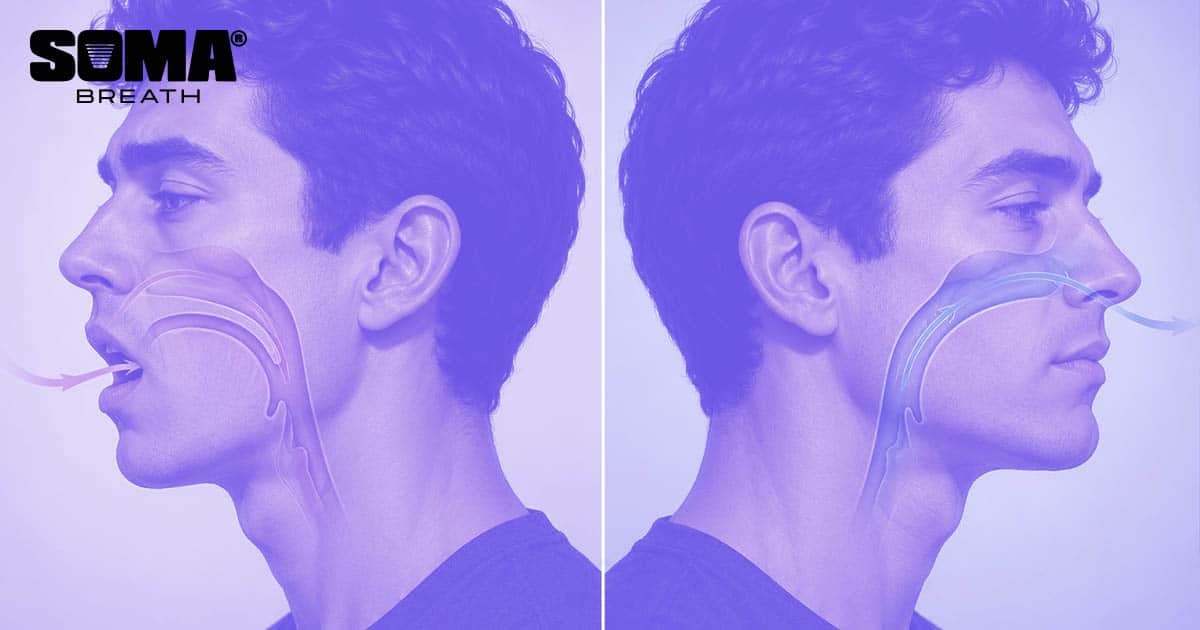
Most people rarely think about how they breathe. Yet the difference between mouth breathing vs. nose breathing can significantly influence your brain function, energy levels, sleep quality, and long-term health. Breathing is not just about getting air in and out. It directly affects oxygen delivery, nervous system balance, and even emotional regulation.
Understanding whether it is better to breathe through your nose is not just a wellness trend. It is rooted in physiology. This article explores what actually happens in your body and brain depending on how you breathe, and how you can improve it.
Understanding Mouth Breathing vs. Nasal Breathing
Breathing through the mouth and nose may seem interchangeable, but they are not functionally equal. The nose is specifically designed for respiration. It filters, warms, and humidifies incoming air, while also producing nitric oxide, a compound that helps regulate blood flow and oxygen delivery.
In contrast, mouth breathing bypasses these mechanisms. This is why discussions around mouth breathing vs. nose breathing often highlight the protective and regulatory role of the nose.
Many people fall into habitual mouth breathing due to stress, congestion, or poor breathing patterns. Over time, this can shift the body into a less efficient physiological state.
What Happens to Your Body When You Breathe Through Your Mouth
Reduced Oxygen Efficiency
A key issue in mouth breathing vs. nose breathing is oxygen utilization. While you may feel like you are getting more air through your mouth, the body may actually use oxygen less efficiently. Nasal breathing supports better oxygen exchange due to nitric oxide production and slower airflow.
This ties into the benefits of slow breathing, where controlled, nasal breaths improve oxygen delivery at the cellular level.
Increased Stress Response
Mouth breathing tends to be faster and shallower. This pattern is associated with the activation of the sympathetic nervous system, often called the fight-or-flight response.
Over time, this can lead to chronic stress, anxiety, and fatigue. Many people who experience persistent tension or restlessness may not realize that their breathing habits are contributing factors.
Poor Sleep Quality
One of the lesser-known disadvantages of mouth breathing lies in sleep disruption. Mouth breathing is commonly associated with snoring and sleep apnea.[1] It reduces airway stability and can fragment sleep cycles, which often leads to waking up feeling unrefreshed, even after a full night’s rest.
Oral and Structural Issues
Chronic mouth breathing can also affect oral health. Dry mouth, gum irritation, and increased bacterial growth are common. Over long periods, it may even influence facial structure and jaw alignment.
These factors highlight deeper physiological consequences beyond just breathing mechanics.
What Happens to Your Brain When You Mouth Breathe
Reduced Cognitive Clarity
Breathing affects brain oxygenation. Inefficient breathing patterns can contribute to brain fog and reduced concentration. This is one reason why many people report improved focus when switching to nasal breathing.
Emotional Instability
Breathing patterns are closely tied to emotional regulation. Fast, shallow breathing reinforces stress signals in the brain. In contrast, slower nasal breathing helps stabilize mood and reduce reactivity.
Heightened Anxiety
Chronic mouth breathing may contribute to anxiety loops. When breathing signals stress, the brain responds accordingly. Over time, this can create a feedback cycle that is difficult to break without conscious intervention.
Why Nasal Breathing Is More Effective
Improved Oxygen Delivery
Do you get more oxygen through your nose or mouth? One of the most discussed benefits of nasal breathing is improved oxygen efficiency. Nitric oxide produced in the nasal passages helps blood vessels dilate, improving circulation and oxygen transport.
While mouth breathing may feel easier, nasal breathing supports better oxygen use in the body.
Nervous System Regulation
Nasal breathing encourages slower, deeper breaths, which activate the parasympathetic nervous system. This is the body’s rest and recovery mode.
If you are wondering what the healthiest breathing technique is, nasal breathing combined with slow, rhythmic patterns is widely considered optimal for both physical and mental health.
Better Immune Defense
The nose acts as a filter, trapping dust, allergens, and pathogens. This reduces the burden on the respiratory system and helps maintain overall health.
Balanced CO2 Levels
Breathing is not just about oxygen. Carbon dioxide plays a crucial role in oxygen release from the blood. Nasal breathing helps maintain this balance, while mouth breathing can disrupt it through overbreathing.
Are There Any Disadvantages of Breathing Through the Nose?
While nasal breathing is generally preferred, some ask about the disadvantages of breathing through the nose. These are typically situational rather than inherent.
For example, nasal congestion, structural blockages, or intense physical exertion may make nasal breathing temporarily difficult. However, in normal conditions, the nose remains the most efficient pathway for breathing.
Why Modern Habits Are Making Breathing Worse
Today’s lifestyle encourages poor breathing patterns. Long hours of sitting, constant screen use, and chronic stress all contribute to shallow, rapid breathing.
Many people unconsciously shift toward mouth breathing during work or sleep. Over time, this becomes the default pattern.
Recognizing these habits is the first step toward correcting them.
How to Improve Your Breathing
Build Awareness
Start by noticing how you breathe throughout the day. Are you breathing through your mouth at rest? Do you wake up with a dry mouth? These are some of the signs of poor breathing that indicate a need for change.
Practice Nasal Breathing
Consciously breathing through your nose during daily activities can gradually retrain your system. Start during low-intensity activities like walking or sitting. This reinforces the benefits of nasal breathing and helps normalize the pattern.
Slow Down Your Breathing
Slowing your breath is one of the most effective ways to improve respiratory efficiency. It enhances oxygen delivery, reduces stress, and supports mental clarity. This ties back to the earlier discussed benefits of slow breathing, which are foundational to many breathwork practices.
Use Structured Breathwork
Breathwork techniques can help retrain breathing patterns more effectively than awareness alone. For example, rhythmic breathing and controlled breath holds improve CO2 tolerance and nervous system balance.
For individuals dealing with anxiety, structured breathing practices can be particularly helpful. In some cases, breathwork can help with panic attacks by regulating the body’s stress response and restoring calm.
Common Questions About Breathing
Why should we breathe through the nose, not the mouth?
Nasal breathing filters air, improves oxygen delivery, and supports nervous system balance. It is the body’s natural and most efficient breathing method.
Should I exhale through my nose or mouth?
In most situations, it is beneficial to inhale and exhale through the nose. This maintains airflow consistency and supports optimal gas exchange.
Do mouth breathers live longer?
There is no direct evidence linking mouth breathing alone to lifespan. However, the associated health issues like poor sleep and chronic stress may negatively impact long-term health.
What are the disadvantages of mouth breathing?
Some key disadvantages of mouth breathing include poor oxygen efficiency, increased stress, disrupted sleep, and oral health issues.
What is the healthiest breathing technique?
Slow, controlled nasal breathing is often considered the healthiest breathing technique. It balances oxygen and carbon dioxide levels while supporting the nervous system.
The Bigger Picture: Your Breath Shapes Your Health
Breathing is not just automatic. It is a powerful regulator of your brain and body. The difference between mouth breathing vs. nose breathing is not subtle. It can influence how you think, feel, and function every day.
Shifting toward nasal breathing is one of the simplest yet most impactful changes you can make. Whether your goal is better focus, reduced stress, or improved sleep, your breath is a direct pathway to achieving it.
Reclaim Control Through Your Breath
Your breath is one of the few systems you can consciously control, making it a powerful tool for lasting change. By developing proper breathing habits and exploring structured methods like SOMA Breath’s guided breathwork training certification, you can build deeper resilience, clarity, and long-term control over your mind and body.
References
- Primarti RS, Fatma A, Jayanti CNR, Musnamirwan IA, Setiawan AS. Mouth Breathing and Its Impact on Sleep Breathing Disorders in Children: A Cross-Sectional Study in Bandung, Indonesia. Clin Cosmet Investig Dent. 2025 Sep 1;17:435-444. doi: 10.2147/CCIDE.S536188. PMID: 40919295; PMCID: PMC12412591.