
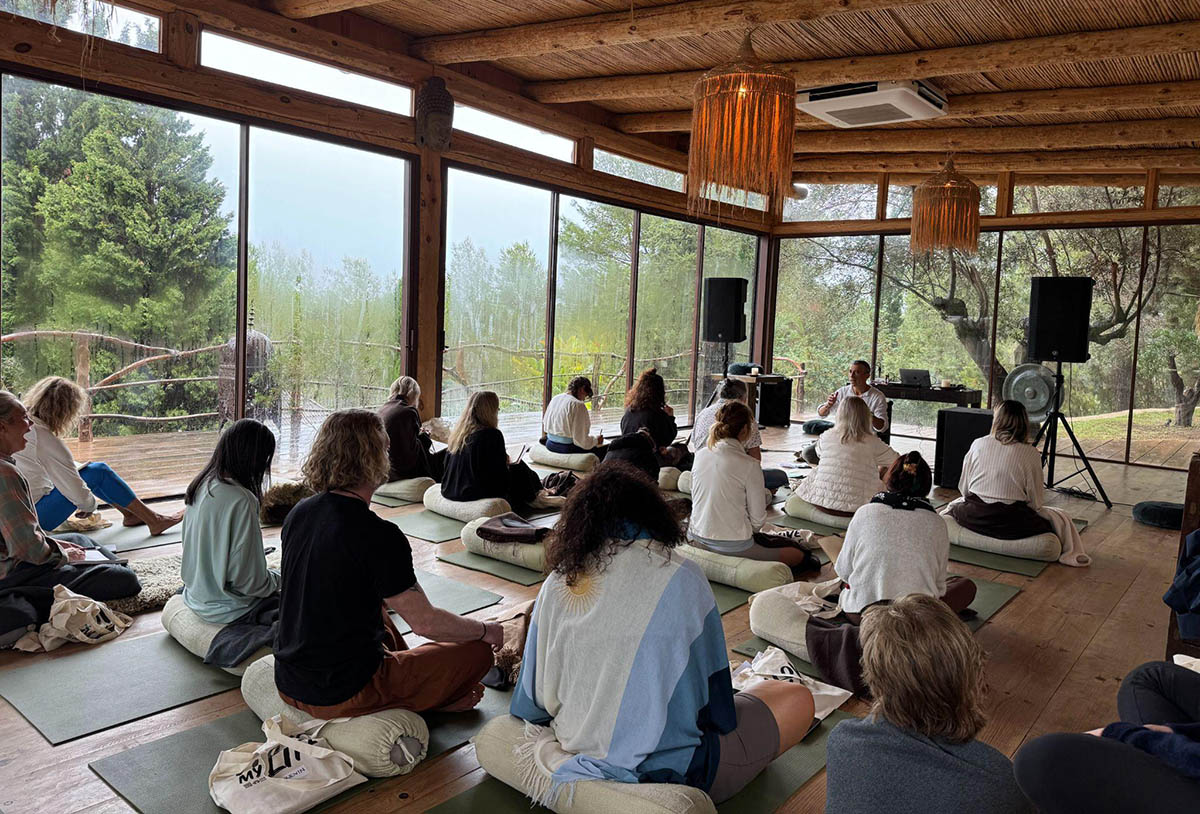
Breathwork has moved from niche practice to a recognized modality within holistic health, mental resilience, and performance optimization. As interest grows, many people are asking how to become a breathwork coach in a way that is ethical, sustainable, and professionally credible. This guide provides a clear, expert-informed roadmap grounded in physiology, coaching standards, and real-world practice.
What Does a Breathwork Coach Do?
Before exploring how to become a breathwork coach, it is essential to understand what a breathwork coach does. A breathwork coach guides individuals or groups through structured breathing techniques designed to support nervous system regulation, emotional awareness, focus, and overall physical well-being.
Unlike casual breathing instruction, professional breathwork coaching involves understanding respiratory physiology, carbon dioxide sensitivity and tolerance ranges, oxygen delivery mechanisms, vagal tone, and psychological safety. Coaches may work with stress, burnout, trauma-informed regulation, athletic performance, or lifestyle optimization. Some sessions focus on subtle nasal breathing that can help clients unblock their nose naturally, while others involve more intensive guided breathing journeys.
Step 1: Develop Personal Mastery Through Practice
The foundation to becoming a breathwork facilitator is personal experience. Breathwork is not theoretical. It is experiential and somatic. A coach must have first-hand familiarity with a range of breathing-induced physiological and emotional states, along with proper integration and grounding practices.
This stage typically includes structured breathwork journeys, daily breathing practices, and reflective integration. Without this phase, it is difficult to guide others safely or effectively. Experienced practitioners often spend several months to a year refining their own practice before pursuing formal training.
Step 2: Choose a Reputable Breath Coach Certification
Formal education is non-negotiable for anyone serious about becoming certified in breathwork. A credible breath coach certification should include respiratory anatomy, biomechanics, neuroscience, contraindications, trauma awareness, facilitation skills, and ethics.
When evaluating programs, many prospective coaches ask what certifications are best for breathwork. The strongest programs share several traits:
- Evidence-informed methodology
- Supervised practice hours
- Clear safety protocols
- Post-certification mentorship
- Transparent curriculum depth
A quality breath coach certification prepares students not only to guide sessions, but to assess client readiness, manage adverse responses, and adapt techniques across populations.
Step 3: Understand the Science Behind Breathwork
Advanced breathwork coaching requires fluency in physiology. This is where professional coaches separate themselves from hobbyists. Understanding chemoreceptor sensitivity, oxygen-carbon dioxide balance, nasal resistance, and autonomic nervous system dynamics allows coaches to design sessions with intention.
Scientific literacy also supports responsible marketing. Claims must align with research, especially when breathwork intersects with mental health or performance domains. This scientific grounding is a critical pillar of how to become a breathwork coach who earns trust long-term.
Step 4: Gain Practical Facilitation Experience
Certification alone does not equal competence. A core step in how to become a breathwork facilitator is extensive real-world practice. Many new coaches begin with free or low-cost sessions to refine cueing, timing, and group dynamics.
Practical experience teaches how individuals respond differently to the same breathing pattern. It also builds confidence in holding space during emotional release, managing common physiological responses such as dizziness, and responding appropriately to resistance while staying within the scope of practice. Over time, facilitation becomes less scripted and more responsive, which is essential for professional growth.
Step 5: Build a Professional Practice and Niche
To sustain a career, coaches must define who they serve and why. Breathwork intersects with stress management, trauma-informed work, corporate wellness, aging populations, and athletic performance. Clear positioning strengthens referrals and outcomes.
This step of becoming a breathwork coach also involves basic business skills such as client onboarding, informed consent, session structuring, and ethical boundaries. Coaches operating within holistic health contexts often collaborate with therapists, fitness professionals, or medical practitioners.
Step 6: Transition From Free Sessions to Paid Programs
A frequent question in this field is whether it is possible to make money with breathwork. The answer is yes, but rarely overnight. Successful coaches transition gradually from free sessions to paid offerings once demand and confidence align.
Common revenue models include one-on-one coaching, group programs, workshops, and multi-week journeys. Pricing reflects training depth, experience, and the transformation delivered. This stage is where many coaches discover that consistency and trust matter more than aggressive marketing.
FAQ: Income, Costs, and Career Reality
Can you make money with breathwork?
Yes. Coaches who combine solid training, facilitation skills, and consistent delivery can build sustainable income. Results depend on niche, market, and professionalism.
How much do breathwork coaches make?
A common question that often circulates is how much breathwork coaches make. Entry-level coaches may earn modest supplemental income, while experienced coaches running group programs or corporate sessions can generate full-time earnings. Earnings are influenced by factors such as session format, group size, geographic market, language reach, and whether coaches offer programs rather than single sessions.
How much does it cost to become a breathwork coach?
Another frequent query lies around how much it costs to become a breathwork coach. Foundational programs and a professional breath coach certification can range from a few thousand dollars to higher investment levels, depending on depth, mentorship, and duration. Costs should be evaluated as professional education rather than a short-term expense.
Ethical Responsibility and Long-Term Growth
An often overlooked aspect of how to become certified in breathwork is ethical responsibility. Breathwork can influence emotional and psychological states. Coaches must know when to refer clients to other professionals and stay within their scope of practice.
Long-term growth comes from continued education, supervision, and humility. The most respected coaches remain students of the practice throughout their careers.
A Sustainable Path Into Breathwork Coaching
Choosing how to become a breathwork coach is not about trends or quick income. It is a structured path that combines personal practice, scientific understanding, credible breath coach certification, and real-world facilitation.
For those willing to invest the time, develop skills, and uphold professional standards, breathwork coaching can be both impactful and sustainable. With the right foundation, it is possible to build a career that supports others while remaining grounded, ethical, and effective.
Explore Professional Breathwork Training
If you are seriously considering how to become a breathwork coach, choosing the right training environment matters. Professional certification should prioritize safety, scientific understanding, practical facilitation skills, and ongoing mentorship beyond initial qualification.
At SOMA Breath, our instructor training is designed for individuals who want to build real competence, not just collect a certificate. The program emphasizes physiological education, ethical facilitation, supervised practice, and long-term professional development.
If you would like to explore whether professional breathwork training is the right next step for you, contact us today. This conversation is designed to assess fit, clarify expectations, and help you determine whether instructor training aligns with your goals and experience.